

联系电话

+86 -13959617257
你在找什么?
1
搜索
主页 |

搜索

  • Can a Cast Iron Crucible Be Used for Melting Aluminum?
    Mar 12, 2026

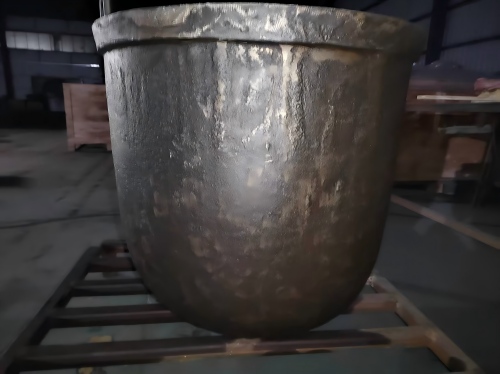
    In small foundries, metal workshops, and hobby casting setups, one common question is whether a cast iron crucible for melting aluminum is a suitable choice. Aluminum has a relatively low melting point compared with most metals, so many different types of metal melting crucibles can technically handle the temperature. However, the performance, durability, and cost of the crucible depend heavily on the material used.


    A cast iron crucible is often selected for aluminum melting because of its strong structure, stable heat retention, and relatively low cost. When used correctly, it can work efficiently in propane furnaces, charcoal furnaces, and small gas-fired melting systems. For workshops producing aluminum parts in small batches, this type of aluminum melting crucible offers a practical and durable solution.


    Why Cast Iron Crucibles Are Suitable for Aluminum

    Aluminum melts at approximately 660 °C (1220 °F), which is far below the temperature limits of most iron-based materials. Cast iron has a melting point of roughly 1150–1200 °C, meaning it can easily tolerate the temperature range required for aluminum melting without structural failure.

    Another advantage of a cast iron crucible for melting aluminum is thermal stability. Cast iron stores heat well and distributes it evenly, helping maintain consistent molten metal temperature during the casting process.

    The main reasons many workshops still use cast iron crucibles include:

    • Strong mechanical structure

    • Excellent heat retention

    • Resistance to deformation under heat

    • Compatibility with propane or charcoal furnaces

    • Low manufacturing and replacement cost

    These characteristics make cast iron crucibles widely used in small foundries and DIY casting environments.


    Typical Specifications of a Cast Iron Crucible

    In industrial supply markets, cast iron metal melting crucibles are available in different sizes depending on furnace capacity and melting demand. The following table shows common specifications.

    Parameter Typical Range
    Material High-carbon cast iron
    Aluminum capacity 0.5 kg – 400 kg
    Working temperature 650 °C – 700 °C
    Furnace compatibility Propane / charcoal / gas
    Heat resistance Up to ~1100 °C
    Average service life 50–150 melting cycles

    For hobby casting, smaller crucibles with 1–10 kg aluminum capacity are common. Industrial workshops may use larger crucibles capable of holding 50–400 kg molten aluminum.


    Cast Iron Crucible vs Other Crucible Materials

    Although a cast iron crucible for melting aluminum works well, other materials are also commonly used in metal casting. Each material has different advantages.

    Crucible Material Advantages Limitations Typical Use
    Cast Iron Strong, low cost, durable Can oxidize over time Aluminum melting
    Graphite Excellent thermal shock resistance Higher price Precious metals, aluminum
    Ceramic High temperature tolerance Brittle under impact Laboratory melting
    Stainless Steel Corrosion resistant Poor heat retention Zinc or alloy melting

    In many cases, workshops choose cast iron when melting pure aluminum or simple aluminum alloys, especially when cost efficiency is a priority.

    If melting zinc, magnesium, or mixed alloys, stainless steel crucibles are often recommended due to better corrosion resistance.


    Heating Guidelines for Aluminum Melting

    Even though cast iron handles heat well, proper heating procedures are still necessary to extend the lifespan of the aluminum melting crucible. Rapid temperature changes can cause thermal stress and cracking.

    A controlled heating process is recommended.

    Stage Temperature Recommended Action
    Preheating 100 °C Apply anti-corrosion coating
    Initial heating 100–400 °C Increase temperature gradually
    Working range 660–700 °C Maintain stable melting
    Cooling stage Below 200 °C Allow furnace to cool naturally

    A commonly suggested rule is to limit the heating rate to less than 100 °C per hour during the initial stage. This reduces thermal stress and helps the crucible expand evenly.

    The crucible temperature should generally remain below 700 °C during aluminum melting. Operating significantly above this temperature can accelerate oxidation and shorten the service life of the crucible.


    Operational Tips to Extend Crucible Life

    Proper operation is often the difference between a crucible lasting a few weeks or several months. Foundry technicians usually follow a few simple practices when working with a cast iron metal melting crucible.

    1. Preheat Before First Use

    For the first melting cycle or after a long shutdown, the crucible should be slowly heated to around 100 ± 20 °C. At this stage, a thin anti-corrosion coating can be applied to protect the surface from molten aluminum.

    2. Control Molten Metal Level

    Before shutting down the furnace, it is recommended that the remaining molten aluminum inside the crucible should be less than 40 mm deep. This prevents excessive thermal stress during cooling.

    3. Avoid Overheating

    Although cast iron can tolerate high temperatures, continuous overheating above 700 °C may cause surface scaling or metal fatigue.

    4. Clean Residues Regularly

    Oxide slag and impurities should be removed after each melting cycle. This helps maintain heat transfer efficiency and reduces corrosion.


    Production Methods for Cast Iron Crucibles

    Modern cast iron crucibles for melting aluminum are typically produced using resin sand casting technology. This manufacturing process provides better dimensional accuracy and improved surface quality compared with traditional sand casting.

    Key production steps include:

    1. Pattern design and mold preparation

    2. Resin sand mold casting

    3. Molten iron pouring

    4. Controlled cooling

    5. Surface grinding and finishing

    6. Quality inspection

    Resin sand casting allows manufacturers to produce crucibles with uniform wall thickness, which improves heat distribution during melting.


    When a Cast Iron Crucible Is the Right Choice

    A cast iron crucible is often the right solution when the application involves:

    • Small or medium aluminum melting batches

    • Propane or charcoal furnaces

    • Cost-sensitive foundry operations

    • Repeated heating cycles in workshop environments

    For many small foundries, it provides a reliable balance between strength, cost efficiency, and heat performance.

    When used with proper heating control and regular maintenance, a well-manufactured cast iron crucible for melting aluminum can deliver stable performance across many casting cycles, making it a practical tool in both professional foundries and hobby metal casting setups.


    阅读更多
留言
留言
如果您对我们的产品感兴趣,想了解更多详情,请在此留言,我们会尽快回复您。

主页

产品

Skype

WhatsApp